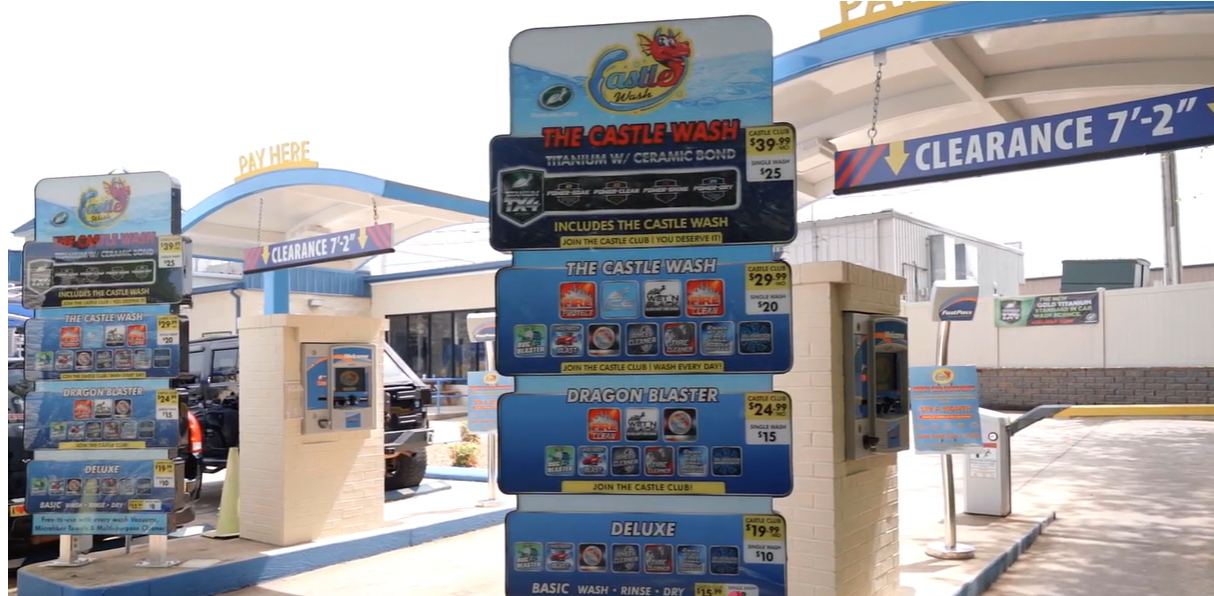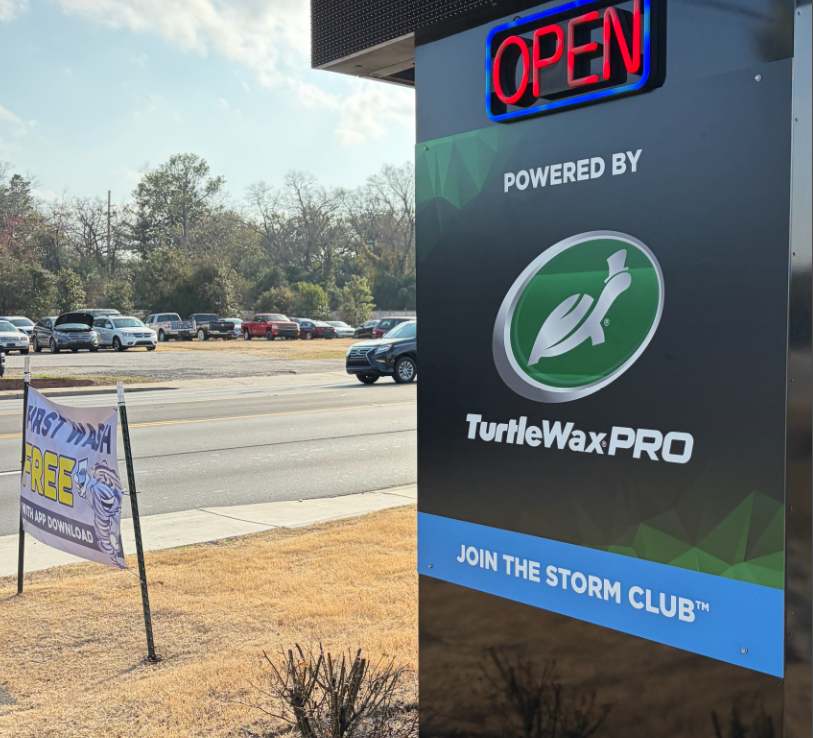
The car wash industry was built around a relatively simple business model: a customer arrives with a dirty vehicle, chooses a wash, pays for the service and drives away. Success was largely measured by the number of cars that came through the tunnel, the average amount spent per visit and how often customers returned. While those metrics still matter, the industry is increasingly moving toward a different way of thinking about growth. The most successful car wash businesses are no longer focused solely on selling individual washes; they are building long-term relationships with customers through membership programs, recurring value and experiences that encourage people to keep coming back.
This shift represents more than a change in pricing strategy. It represents a change in mindset. A membership isn’t simply a different way for a customer to pay for a car wash, it changes the relationship between the customer and the business. Instead of thinking about each visit as a separate transaction, operators can begin thinking about the entire customer journey and the value of keeping that customer engaged over months and years. This is the foundation of the membership mindset, and it is becoming one of the most important ideas shaping the future of the car wash industry.

From Selling Washes to Building Habits
One of the biggest advantages of membership is that it turns car washing from an occasional purchase into a recurring habit. When customers have to decide whether to buy a wash every time their vehicle gets dirty, there is always an opportunity for them to postpone the visit or decide that the expense isn’t necessary that day. A membership removes much of that friction. Once someone has committed to a monthly plan, washing the car becomes part of their normal routine rather than a purchase they have to reconsider every time.
That distinction is extremely valuable because habits are often more powerful than individual purchasing decisions. A customer who sees the car wash as an occasional expense may visit when the vehicle becomes noticeably dirty, before a road trip, or when they simply feel like spending the money. A member, on the other hand, can stop thinking about the cost of each individual visit altogether. They can wash when it is convenient, whether that means once a month or several times a week. The business is no longer trying to convince that customer to make another purchase; it has become part of the customer’s routine.
This is why the most successful membership programs aren’t really selling unlimited washes. They are selling convenience and consistency. The customer is buying the ability to keep their vehicle clean without having to repeatedly make a purchasing decision. When membership is positioned around that value, the relationship becomes much stronger than a simple discount or promotional offer.
The Customer Is Buying an Experience
Membership also changes what customers expect from a carwash. When someone purchases a single wash, their primary concern may be whether they received a good clean for the price they paid. A member, however, interacts with the business repeatedly, which means every part of the experience becomes part of the value proposition. The speed of the wash, the ease of entering the site, the friendliness of employees, the reliability of the equipment, the payment process, and the way customer issues are handled all contribute to how that member feels about the relationship.
This means the membership experience extends far beyond the tunnel itself. A customer might first encounter the brand through an advertisement or social media post, sign up through a website or mobile app, visit a location using license plate recognition, receive a communication about their membership and eventually contact customer service when they need assistance. Every one of those interactions influences whether the customer sees the business as a convenient service they are happy to continue using or simply another subscription they could cancel.
For operators, this creates an important opportunity .Instead of focusing exclusively on improving the wash, they can examine the entire customer journey and identify where they can make membership easier, faster and more valuable. The businesses that understand this distinction will be better positioned to build loyalty because they recognize that customers aren’t simply evaluating the quality of a wash, they are evaluating the quality of the relationship.

Convenience Is One of the Strongest Drivers of Loyalty
The popularity of membership models across many industries reflects a broader change in consumer expectations. People increasingly value services that save them time, reduce decisions and make everyday tasks easier. The car wash is particularly well suited to this trend because cleaning a vehicle is inherently repetitive. Cars get dirty again and again, and customers who care about maintaining their vehicles have an ongoing need for the service.
A strong membership program takes advantage of that natural frequency by removing as much friction as possible. Customers should be able to sign up easily, drive into the wash without unnecessary steps, and leave without having to think about payment each time. If they need to update their information or make changes to their membership, those processes should be equally straightforward. The more seamlessly the membership fits into everyday life, the more valuable it becomes.
This is where technology can play an important role, but technology should be viewed as a means rather than the end goal. Mobile apps, license plate recognition, automated payments, customer relationship management systems and personalized communications can all make membership more convenient. However, the purpose of those tools should ultimately be to make the customer’s experience better. Technology that creates more complexity simply replaces one form of friction with another.
Membership Changes the Way Operators Think About Value
A transaction-focused business tends to concentrate heavily on immediate revenue. A customer spends a certain amount on a wash today and the business hopes that customer will return in the future. Membership introduces a much longer time horizon. Instead of asking only how much revenue was generated during a particular visit, operators can begin thinking about customer lifetime value, retention, visit frequency and the overall health of the member base.
That shift has important implications for decision-making. Acquiring a new member is valuable, but keeping that member for two years is considerably different from keeping them for two months. A low-priced membership may generate a large number of sign-ups, but if customers don’t see enough value to remain members, the initial acquisition success can quickly disappear. Likewise, a strong customer experience may not produce an immediate increase in revenue, but it can have a significant impact on retention overtime.
This is why membership success cannot be measured simply by counting how many people sign up. Operators need to understand what happens after signup. Are members visiting regularly? Are they using the benefits of their plans? Are they staying for multiple years? What are the most common reasons for cancellation? Which customers are most engaged? The answers to these questions provide a much clearer picture of whether the membership strategy is actually creating long-term value.
A Membership Is Not Just a Subscription
There is an important difference between offering a membership and adopting a membership mindset. A business can introduce monthly plans, promote unlimited washes, and collect recurring payments while still operating with a transactional mentality. If the primary focus is getting as many people as possible to sign up, pushing upgrades, and moving on to the next sale, the company may have a subscription program, but it hasn’t necessarily built a membership relationship.
A true membership mindset begins with the customer’s perspective. The question isn’t simply, “How can we get this person to signup?” It is, “What can we offer that makes this person genuinely want to remain a member?” That might involve savings for frequent customers, greater convenience for busy families, a better digital experience, additional services, personalized communication, or simply the confidence that every visi twill be consistent.
The strongest membership programs don’t rely entirely on discounts to create loyalty. They create enough everyday value that customers would still want the membership even if they stopped comparing the price of every individual wash. When customers feel that membership makes their lives easier, the relationship becomes much less vulnerable to competitors offering a slightly lower price.

Technology Can Enable Relationships, But It Can’t Replace Them
As car wash memberships continue to evolve, technology will become increasingly important. Operators have access to more customer data and more sophisticated tools than ever before, allowing them to understand customer behavior, personalize communications, automate routine processes and create a more seamless experience. License plate recognition can make entry nearly effortless, digital platforms can simplify account management, and customer data can help operators understand how different members interact with the business.
But the increasing role of technology doesn’t mean the human side of the business becomes less important. In many cases, it becomes more important. A customer who has a problem with their membership doesn’t necessarily want to interact with an automated system. They want someone to help them solve the problem. A regular customer who is greeted by an employee who recognizes them can have a very different experience from someone who feels completely anonymous.
The best operators will use technology to remove repetitive friction while giving their teams more opportunities to provide meaningful service. Automation should make the experience feel more personal and convenient, not more distant. Even as the industry becomes increasingly digital, the fundamentals of customer relationships—trust, consistency, recognition, and service will continue to matter.
Retention Begins Long Before Cancellation
One of the biggest misconceptions about retention is that it begins when a customer decides to cancel. In reality, retention starts from the moment someone becomes a member. The first experience after signup, the clarity of the membership benefits, the quality of the first few visits, and the way the business communicates with the customer all influence whether that person develops a long-term relationship with the brand.
This means operators need to pay attention to the moments between transactions. If a customer hasn’t visited in several weeks, that could be a sign that they aren’t seeing the value of their membership. If customers frequently contact support about the same issue, there may be a larger problem with the membership experience. If cancellations spike after a particular change in pricing or service, that feedback should be treated as an important signal rather than simply a number on a report.
Retention is ultimately about consistently reinforcing the decision the customer made when they joined. Every visit should remind them why the membership is worth keeping. Every interaction should make the relationship a little stronger. When that happens consistently, cancellation becomes less likely because the customer isn’t simply paying for a service, they have incorporated the brand into their routine.
The Competitive Advantage Is the Relationship
As the car wash industry continues to grow, many of the traditional points of differentiation will become easier to replicate. Competitors can invest in modern equipment, introduce similar membership tiers, offer promotional pricing, improve their locations and adopt many of the same technologies. When businesses begin to look increasingly similar from the customer’s perspective, the relationship becomes one of the most difficult advantages to copy.
A strong customer relationship is built over time. It comes from hundreds of small interactions and consistent experiences rather than one marketing campaign or promotional offer. Customers remember businesses that make their lives easier, treat them well, resolve problems quickly and consistently deliver on their promises. Those experiences create trust,. and trust creates loyalty.
This is particularly important for membership-based businesses because the relationship doesn’t end after a single purchase. The customer and the brand interact repeatedly, which means there are countless opportunities to strengthen or weaken that relationship. The businesses that recognize this will approach membership as a long-term customer strategy rather than simply a revenue model.
The Future of Car Wash Is Relationship-Driven
The future of the car wash industry will certainly continue to involve technology, automation, operational efficiency and strong financial performance. But alongside all of those priorities, successful operators will increasingly focus on something that cannot be measured by a single transaction: the strength of their customer relationships.
The membership mindset is about changing the fundamental question a car wash business asks. Instead of asking how many cars came through the tunnel today, operators can start asking how many customers chose to return, how many members are still engaged after a year, and what the business can do to make those relationships even stronger.
That doesn’t mean transactions no longer matter. Every transaction contributes to the health of the business. But a transaction should be viewed as one moment within a much larger customer journey rather than the entire relationship. The goal is to turn individual visits into habits, habits into loyalty, and loyalty into long-term customer relationships.
The car wash of the future won’t simply compete on who can provide the best wash at the lowest price. It will compete on who can create an experience customers want to return to again and again. The businesses that embrace that shift will understand that their greatest asset isn’t simply the number of vehicles they wash. It is the number of customers who choose to stay.
That is the membership mindset: moving beyond the transaction and building a relationship that customers have a reason to keep.