

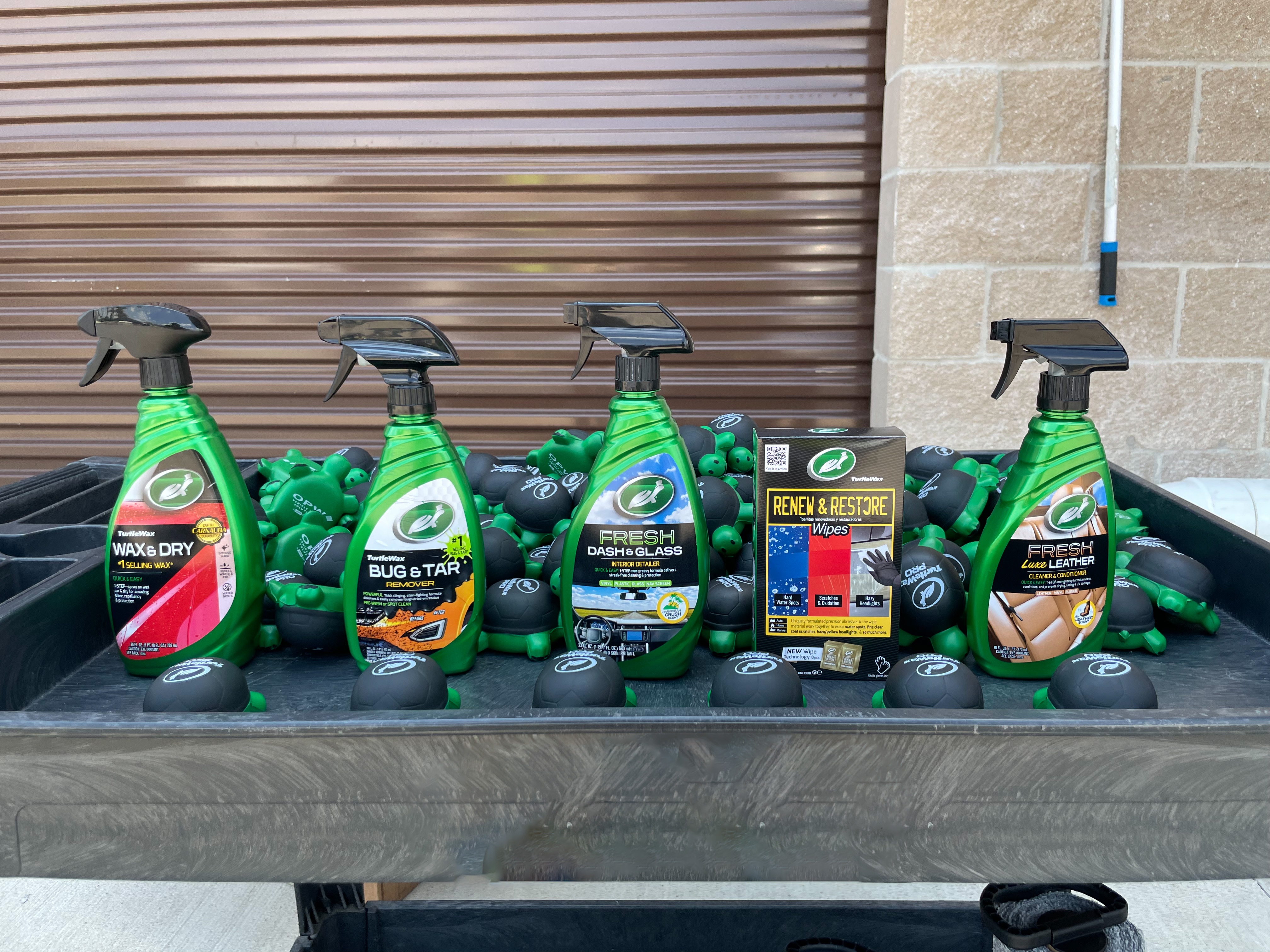
Tunnel operators spend an enormous amount of time and capital improving what happens inside the tunnel. Upgrading chemistry, refining menu boards, investing in lighting, equipment and throughput optimization.
But once the car exits the tunnel and pulls into the vacuum area that attention to detail fades. The vacuum lot is often the longest dwell-time moment on your property. Customers open their doors. They inspect the shine. They wipe down surfaces. They step back and look at their vehicle. In most tunnel operations, this space is treated as a utility zone rather than a value zone. It attracts traffic and supports the wash experience, but it rarely contributes incremental revenue beyond membership retention.
That gap represents an opportunity.
In collaboration with the Turtle Wax retail team, we have begun exploring how branded interior and exterior detailing products can extend the customer experience beyond the tunnel and into the vacuum area. The early signal is compelling. Members indicate they would be willing to pay an additional $5 to $10 per month for access to premium detailing products onsite. In addition, operators can generate direct retail sales by stocking Turtle Wax items in that same space.
This article explores how operators can rethink the economics of the vacuum lot and turn underutilized square footage into a meaningful new revenue stream.
Rethinking the Vacuum Area as a Revenue Space
For years, vacuum areas have been positioned as a competitive necessity. Free vacuums attract traffic and help justify membership pricing. They prevent customers from choosing the wash down the road. In many markets, they are simply part of the baseline expectation. Because of that, operators tend to view them as a cost of doing business rather than a source of profit.
But if you step back and observe what actually happens in the vacuum lot, it becomes clear that it is one of the most engaging moments in the entire visit. Customers are not passive there. They are touching surfaces, adjusting mats, wiping consoles, inspecting tires and paying attention to details. They are thinking about the condition of their vehicle in a hands-on way. That mindset is very different from the fast, automated experience inside the tunnel.
When someone is vacuuming their interior and notices light dust on the dashboard or dull trim around the door panels, they are already asking themselves how to improve it. When they look at their tires and consider whether they could look deeper or darker, they are already evaluating enhancement. That is a natural buying moment.
Our early research supports this shift in thinking. When asked directly, members indicated that they would consider paying $5 to $10 more per month for access to premium detailing products in the vacuum area. That small increase in monthly membership price, multiplied across a base of recurring customers, represents meaningful incremental revenue. For a site with one thousand members, a $7 monthly uplift translates into $84,000 per year in revenue.
With that in mind, the vacuum lot stops being a free add-on and starts becoming an extension of the business model.
What We Learned from the Splash2o Pilot
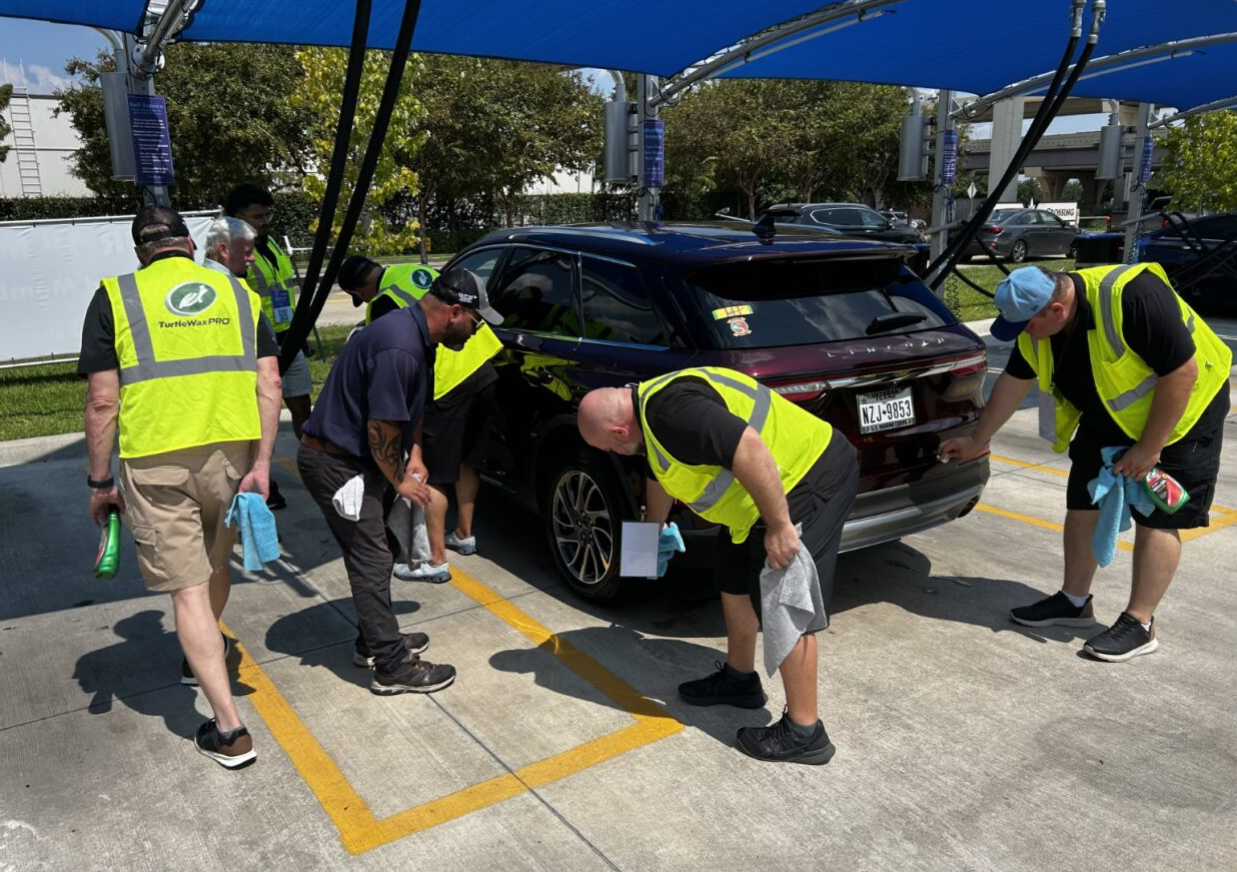
To understand whether this opportunity was practical or just theoretical, we partnered with Splash2o to run a pilot program integrating Turtle Wax retail products into the post-wash experience. The goal was not to overwhelm customers with options, it was to observe behavior.
Would customers engage?
Would staff feel comfortable introducing the products?
Would there be real revenue potential?
What we saw was encouraging!
First, brand recognition did much of the work. Customers immediately recognized the Turtle Wax name. Instead of questioning what the product was or whether it would work, customers approached it with an assumption of credibility. The trust built through decades of retail presence transferred naturally into the wash environment.
Second, employees became part of the experience in a meaningful way. When staff demonstrated a wipe on a dashboard or showed how a tire product enhanced the finish, conversations started. And, when employees believe in what they are showing, customers respond differently.
Third, customers expressed clear interest in purchasing. Interior wipes, tire products, and leather care were particularly well received. Price sensitivity did not appear to be a major barrier. More importantly, members indicated they would see value in having access to these products as part of an upgraded membership tier.
The takeaway from Splash2o was not that retail products improve wash quality. It was that customers appreciate having the ability to finish the job themselves using a brand they trust. The vacuum area became more than a place to remove junk. It became the final step in taking pride in the vehicle.
That shift in mindset opens the door to new economics.
How to Structure the Opportunity
The idea of adding retail products to the vacuum area can feel complicated at first. Operators may worry about inventory management, shrinkage or adding operational friction. In reality, this model works best when it stays simple.
There are two primary ways to structure the opportunity.
The first is through membership design. Instead of offering a premium tier based solely on tunnel chemistry, operators can introduce a detailing access tier. For an additional $5-$10 per month, members receive access to select interior and exterior finishing products in the vacuum area. That access can be structured in different ways. Some operators may include a monthly product allotment, others may provide open access within a controlled set of vacuum stations.
The second lever is direct retail sales. Not every customer will upgrade their membership, but many will make impulse purchases if the products are positioned correctly. Think grocery store checkout shelves. Compact, single-use or small-format items in the $5-$10 range are well suited for this environment, many of you already have vending options on site! They do not require large displays or complicated merchandising.
The most important operational detail is placement and presentation. The vacuum lot should not feel cluttered or chaotic. A defined Turtle Wax finishing zone, clear instructions, and occasional staff engagement during peak times are typically sufficient to create momentum.
This is not about transforming the site into a retail destination. It is about extending the customer’s mindset from “my car is clean” to “my car is complete.” When structured properly, that final step generates both satisfaction and revenue.
The Bigger Picture: Where Tunnel Growth Is Headed
For the past decade, growth in the tunnel segment has largely been driven by expansion and volume. More sites. More memberships. More cars per hour. Operators have done an impressive job optimizing the mechanical and chemical sides of the business.
But as markets mature, capital becomes more expensive and competition increases, growth becomes less about adding locations and more about increasing revenue per site. That means improving average revenue per member, strengthening retention and extracting more value from the footprint you already control.
This is where the vacuum area becomes strategically important.
Every square foot on a tunnel property has a cost. Land, paving, utilities, maintenance. The tunnel itself is highly optimized for revenue. The pay stations are optimized. The exit is optimized. The vacuum lot, in many cases, is optimized only for service.
If that space can contribute even modest incremental revenue, the impact compounds quickly. Membership uplifts of $5-$10 may not sound dramatic in isolation, but across a large member base they materially shift site economics. Add impulse retail purchases on top of that, and the margin profile improves further.
There is also a retention element that should not be overlooked. When customers feel they are getting more than just a wash, when they see tangible tools that help them care for their vehicle, the perceived value of membership increases. Higher perceived value supports pricing power and reduces churn.
In a world of car wash saturation, the next phase of growth will come from better monetization of the customer visit, not just more visits.
Extending the Shine and Strengthening the Business
At its core, this opportunity is about alignment. Customers already associate Turtle Wax with caring for their vehicles. They see it in stores. They have used it at home. That brand equity does not disappear when they drive into a tunnel. In fact, it can become even more powerful when integrated thoughtfully into the wash experience.
By extending Turtle Wax products into the vacuum area, operators create continuity. The same trusted name that helps deliver shine in the tunnel now supports the finishing touches outside of it. That consistency builds confidence. It also reinforces the idea that the wash is not just providing a service, but offering a complete car care experience.
From a business standpoint, the benefits are practical. Membership tiers become more compelling. Incremental revenue opportunities emerge without expanding the footprint. Employees gain another way to engage customers in meaningful conversations.
The wash visit does not end when the conveyor stops. For many customers, it ends when they step back, look at their car, and feel satisfied with the result. If operators can participate in that final moment with products that enhance pride and performance, they can capture both emotional and financial value.
The tunnel will always be the engine of the business. But the vacuum area has the potential to become a margin driver.
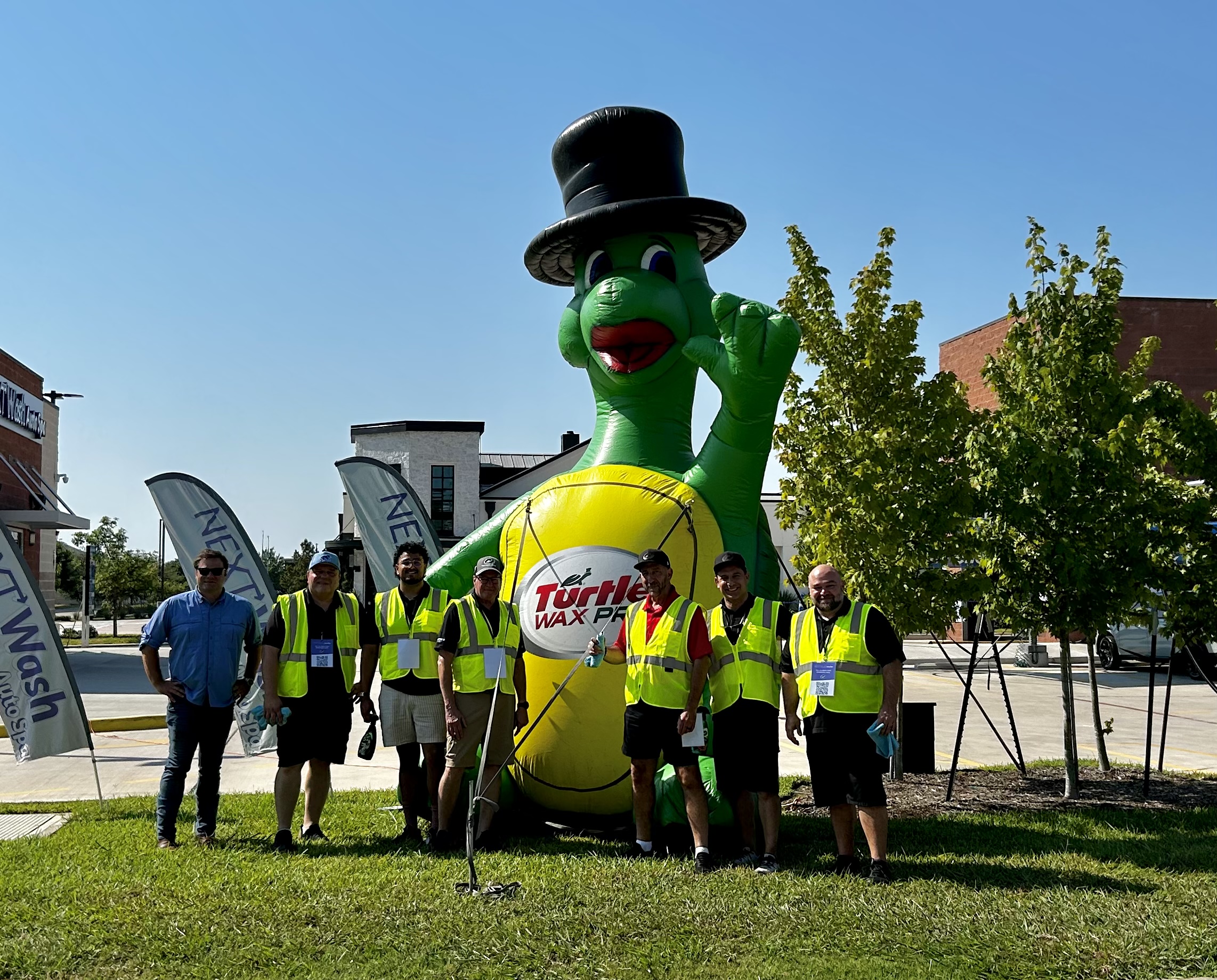
If you are interested in exploring how retail integration could fit into your membership strategy and site economics, the Turtle Wax Pro team is ready to work alongside you. Together, we can turn underutilized space into incremental profit and extend the shine well beyond the tunnel.


.jpg)


.jpg)


.jpg)
