

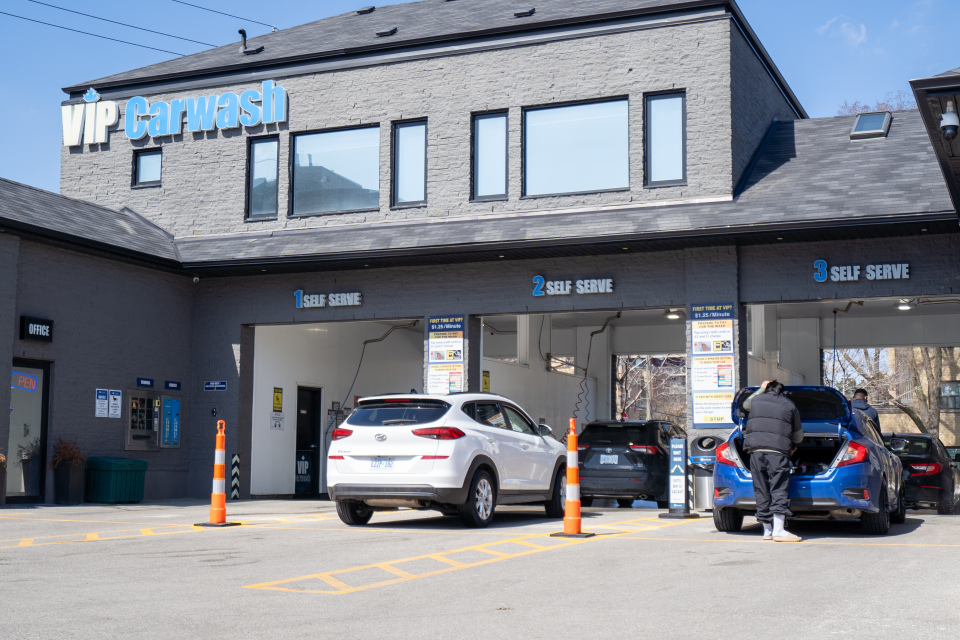
For years, the car wash industry has focused heavily on express tunnels, unlimited wash clubs and large conveyor systems. These formats continue to grow, and they deserve the attention they get. But during that growth, many people started asking the same question: is self-serve still worth it?
The answer is yes.
Self-serve car washes continue to perform well across North America because they still solve real problems for customers. They offer flexibility, affordability and convenience. For operators, they can also provide dependable revenue with lower operating costs and manageable overhead. The self-serve segment has changed over the years, but it is far from outdated. Modern equipment, improved chemistry and better site design have helped self-serve evolve into a strong business model that still delivers value for both customers and operators.
Every market is different. A large express tunnel may perform well in a busy urban area, but smaller communities often need a different approach. Self-serve offers operators flexibility because it can work in a wide range of markets and property sizes. It also gives operators the ability to scale their business over time.
The self-serve market has changed dramatically over the last decade. Years ago, many self-serve locations operated with simple coin boxes, basic soap options and minimal upgrades. Today, operators are modernizing their sites to compete with evolving customer expectations and the growth of express tunnel washes. Many successful self-serve operators are now adding premium chemistry, cashless payment systems, upgraded lighting, colourful foam applications, air dryers, loyalty programs and even in-bay automatics to create a more modern customer experience. Industry reports also show that customers now expect cleaner, better-maintained sites with stronger visual appeal and more premium wash options than ever before. In many markets, self-serve washes are evolving from simple “DIY wash bays” into premium vehicle care destinations focused on convenience, flexibility and higher-end results.
Customers Still Want Self-Serve Options
Not every customer wants the same type of wash experience. Many drivers still prefer to wash their own vehicles because it gives them more control. They can spend extra time on dirty areas, rinse away winter salt, or focus on wheels, truck beds and floor mats. Some vehicle owners also feel more comfortable using self-serve bays for lifted trucks, work vans, trailers, or vehicles with roof racks and accessories.
In many rural and suburban markets, self-serve continues to be a popular option because it fits the needs of the community. Customers appreciate having a quick and affordable way to clean their vehicles without committing to a premium wash package. Seasonality also plays a major role. During winter and early spring, many drivers want frequent rinses to remove salt, mud and road grime. Self-serve bays give customers an easy solution during those messy months.
Some people simply enjoy washing their own vehicles. That experience still matters, especially when the wash delivers strong pressure, quality chemistry and a clean environment.
Lower Operating Costs Help Protect Profitability
One reason self-serve remains attractive is its operating model.
Compared to full-service washes or large tunnel operations, self-serve locations often require fewer employees and less daily oversight. This can help operators manage labor costs and reduce staffing challenges. Many self-serve sites also operate on smaller properties and require lower upfront investment compared to large conveyor systems. For investors and operators entering the industry, this creates a more accessible starting point. That lower overhead can lead to solid long-term returns when the site is maintained properly and located in the right market.
Technology has also improved operations significantly. Modern payment systems, remote monitoring tools and upgraded chemical delivery systems allow operators to manage sites more efficiently than ever before. The result is a business model that can produce dependable cash flow without the complexity of larger operations.
Modern Self-Serve Equipment Has Come a Long Way
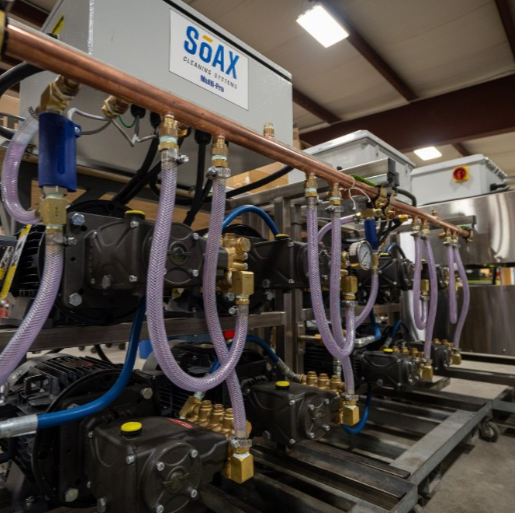
When some people think about self-serve car washes, they picture older coin-operated bays with outdated equipment and constant maintenance problems. Today’s self-serve operations look very different. Modern systems are cleaner, more reliable and designed to last longer. Operators now expect equipment that delivers strong performance while reducing downtime and service calls.
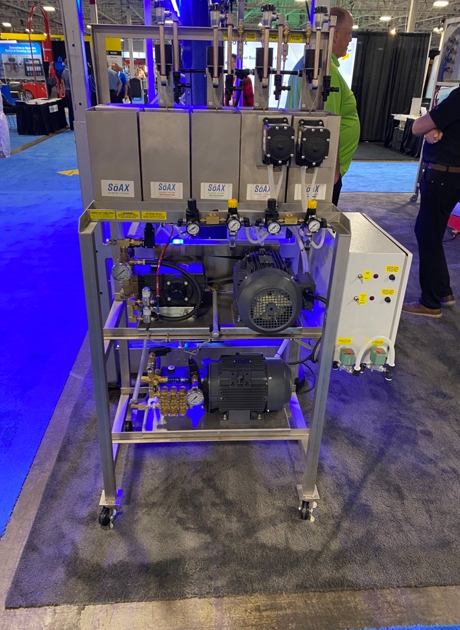
Durability is one of the biggest priorities. Stainless steel equipment has become especially popular because it stands up better to moisture, chemicals and harsh weather conditions. It also helps sites maintain a cleaner and more professional appearance over time. Manufacturers like SŌAX have helped modernize the self-serve category with modular stainless-steel systems built for reliability and long-term performance. Their lineup includes pumping stations, chemical wall packs and spot-free rinse systems designed for demanding wash environments. Because the equipment is built and manufactured in Cambridge, Ontario, operators also benefit from a company that understands the real-world conditions and challenges self-serve washes face in North American climates.
Modular equipment also gives operators flexibility. Sites can often upgrade or expand systems over time without rebuilding the entire operation. That allows owners to improve their wash gradually while managing costs more effectively.
Self-Serve Fits Well Into Multi-Service Wash Sites
Many successful operators are no longer relying on just one type of wash format. Instead, they are creating sites with multiple revenue streams.
This approach allows operators to serve a wider range of customers. Some drivers may use an automatic wash during the week but still visit self-serve bays for deep cleaning or seasonal rinses. Self-serve can also help maximize the use of available property space. In some markets, adding bays creates additional revenue opportunities without the major investment required for a large tunnel wash.
Customer Experience Matters More Than Ever
Price matters in self-serve, but customer experience matters just as much. Customers expect bays to be clean, equipment to work properly and payment systems to function smoothly. They also notice details like lighting, signage, water pressure and foam quality.
Many customer frustrations come from simple problems that can be fixed with routine maintenance and regular site inspections. Small upgrades can also make a major difference in how customers view a wash. Better signage, brighter bays, updated equipment panels and vibrant foam applications all help create a more modern experience.
Efficiency and Sustainability Continue to Improve
Modern self-serve technology has also become more efficient. Many operators are investing in systems that reduce water consumption, improve chemical efficiency and lower operating costs. Water reclaim systems and concentrated chemistry help operators manage resources more effectively while still delivering strong wash performance. Concentrated products also reduce packaging waste, shipping weight and storage requirements. This helps operators improve efficiency while lowering their environmental footprint. As utility costs continue to rise, these efficiencies become even more valuable for long-term profitability.
Self-Serve Has Evolved With the Industry
Self-serve car washes may not always receive the same attention as large express tunnels, but they continue to play an important role in the industry. The format has evolved. Equipment is more advanced, chemistry performs better and operators have more tools than ever to improve efficiency and customer satisfaction.
Most importantly, customers still want self-serve options. For operators willing to invest in reliable equipment, strong chemistry, and a clean customer experience, self-serve remains a dependable business model with strong long-term potential.
The industry will continue changing, but self-serve is still delivering results. For many operators, it continues to be an important part of a successful wash business.
Self-serve operators can also harness the power of Turtle Wax Pro chemistry to create a more premium customer experience and increase revenue at the bay. While many people associate premium chemistry with tunnel and in-bay automatic washes, self-serve customers also notice the difference when high-quality products are used throughout the wash process. From high-foaming detergents and tri-colour foams to premium protectants, drying agents, tire cleaners and spot-free rinse solutions, Turtle Wax Pro offers self-serve chemistry designed to help operators deliver cleaner, shinier and better-protected vehicles.
A strong self-serve chemical lineup can help increase customer satisfaction, encourage longer bay times and create a wash experience that keeps drivers coming back. Premium self-serve offerings also help differentiate your wash from competitors by giving customers access to products and results they may not find elsewhere. Whether you operate a single self-serve location or multiple sites, Turtle Wax Pro can help you build a self-serve program that combines strong cleaning performance, eye-catching customer appeal and dependable chemical efficiency.
Thinking About Upgrading Your Self-Serve Operation?
Whether you are building a new site or improving an existing location, the right equipment and chemistry setup can make a major difference in reliability, customer satisfaction and profitability.
From durable self-serve equipment to high-performance chemistry and operational support, Transchem Group and SŌAX continue to help operators build wash systems designed for long-term success.


.jpg)


